




Understanding Box Columns: Key Components in Modern Construction and Engineering
What Are Box Columns?
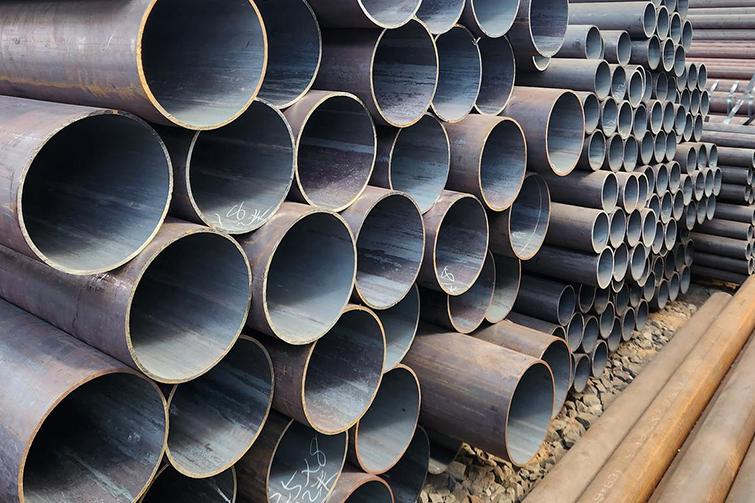
Box columns, also known as box sections or hollow structural sections (HSS), are structural members with a closed, hollow cross-section, typically rectangular or square in shape. They are fabricated from steel, aluminum, or other materials, and are widely used in construction and engineering due to their efficient load-bearing capabilities. Unlike solid columns, box columns distribute stress more evenly, reducing the risk of buckling and enhancing overall stability. In English, the term "box column" is commonly used, but it may also be referred to as "box section" or "HSS column" in technical contexts, emphasizing their hollow nature and structural role.
Advantages of Using Box Columns
The use of box columns offers numerous benefits in structural design. Firstly, their high strength-to-weight ratio allows for lighter structures without compromising durability, which can lead to cost savings in materials and transportation. Secondly, the hollow design provides excellent resistance to torsional forces, making them suitable for applications where twisting loads are a concern, such as in bridges or crane booms. Additionally, box columns are versatile and customizable; they can be manufactured in various sizes and thicknesses to meet specific project requirements. From my experience in engineering projects, I've found that using box columns often results in faster assembly times due to their modular nature, reducing on-site labor and improving construction efficiency.
Common Applications in Construction
Box columns are integral to a wide range of construction projects. In high-rise buildings, they serve as primary load-bearing elements, supporting vertical loads and resisting lateral forces from wind or earthquakes. For example, in skyscraper construction, box columns are often used in the core structure to provide rigidity and stability. In bridge engineering, they are employed in piers and girders, where their hollow design helps reduce weight while maintaining strength. Other applications include industrial frameworks, such as in warehouses or factories, where they form the skeleton of large-span structures. A practical tip for engineers is to consider the environmental conditions; for instance, in corrosive environments, using galvanized or coated box columns can extend their lifespan and reduce maintenance costs.
Design and Fabrication Considerations
When designing with box columns, several factors must be taken into account to ensure optimal performance. Material selection is crucial; steel is the most common choice due to its strength and weldability, but aluminum may be preferred for lightweight applications. The cross-sectional dimensions and wall thickness should be calculated based on load requirements, using engineering standards like AISC (American Institute of Steel Construction) guidelines. Fabrication processes, such as welding or bolting, need to be carefully planned to maintain structural integrity. From my professional experience, I recommend conducting thorough stress analysis and simulations during the design phase to identify potential weak points and optimize the column layout. Regular inspections during construction can also prevent issues like misalignment or inadequate connections.
Challenges and Solutions
Despite their advantages, box columns present certain challenges that require attention. One common issue is corrosion, especially in outdoor or humid environments, which can weaken the structure over time. To mitigate this, applying protective coatings or using corrosion-resistant materials like stainless steel can be effective. Another challenge is buckling under compressive loads; this can be addressed by increasing the wall thickness or adding internal stiffeners. In seismic zones, box columns must be designed to absorb energy during earthquakes, often through the use of ductile details or base isolators. Based on real-world projects, I've seen that collaboration between architects, engineers, and fabricators is key to overcoming these challenges, ensuring that box columns are implemented safely and efficiently.
Future Trends and Innovations
The future of box columns looks promising with ongoing advancements in materials and technology. The development of high-strength steels and composite materials is enabling even lighter and stronger columns, pushing the boundaries of architectural design. Digital tools, such as Building Information Modeling (BIM), are improving the precision of design and fabrication, reducing errors and waste. Additionally, sustainable practices are becoming more important; using recycled materials or designing for disassembly can make box columns more environmentally friendly. As an industry professional, I encourage staying updated with these trends to leverage new opportunities and enhance project outcomes.
Frequently Asked Questions
What is the difference between a box column and a solid column?
A box column has a hollow cross-section, which provides a better strength-to-weight ratio and resistance to torsional forces compared to solid columns. Solid columns are typically heavier and may be more prone to buckling under certain loads.
How do I choose the right material for a box column?
Material selection depends on factors like load requirements, environmental conditions, and budget. Steel is common for its strength, while aluminum is lighter but may be more expensive. Consult engineering standards and consider corrosion resistance for long-term durability.
Can box columns be used in residential construction?
Yes, box columns can be used in residential projects, especially for modern designs or in areas with high seismic activity. They offer flexibility in design and can support open floor plans, but professional engineering advice is recommended to ensure safety and compliance with local codes.
What are the maintenance requirements for box columns?
Regular inspections for corrosion, cracks, or deformation are essential. In corrosive environments, reapply protective coatings as needed. Follow manufacturer guidelines and schedule periodic checks by qualified engineers to maintain structural integrity.