
Mastering the Translation of Special-Shaped Steel Components: A Comprehensive Guide for Engineering Professionals
Understanding the Term '异形钢构件'
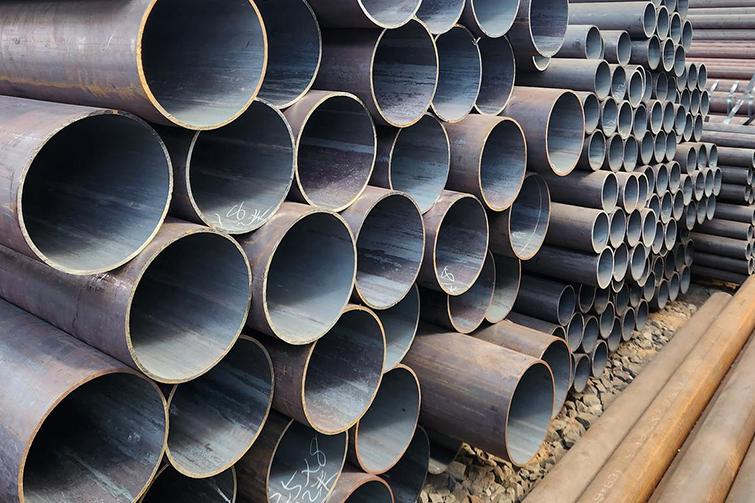
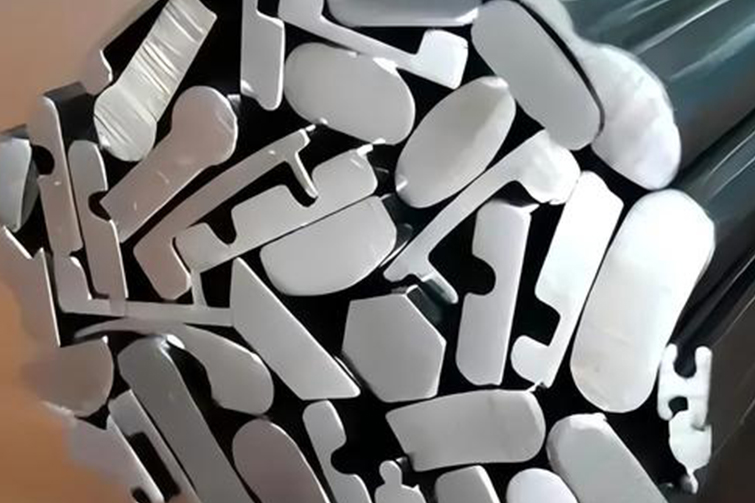
The phrase '异形钢构件' refers to steel components that deviate from standard shapes, such as beams, columns, or plates, and are custom-designed for specific structural or architectural purposes. In English, this is commonly translated as 'special-shaped steel components' or 'non-standard steel elements'. Accurate translation is essential because these components often play critical roles in complex projects like bridges, skyscrapers, or industrial facilities, where precise specifications are vital for safety and functionality. Misunderstandings in terminology can lead to design errors, construction delays, or even safety hazards, making it imperative for engineers and translators to grasp the context and technical requirements involved.
Key Translation Strategies and Best Practices
To effectively translate '异形钢构件', professionals should adopt a context-aware approach. First, consider the specific application: for example, in architectural contexts, terms like 'custom-fabricated steel members' might be more appropriate, while in manufacturing, 'irregular steel parts' could be used. It's also helpful to include descriptive phrases, such as 'steel components with non-uniform cross-sections', to add clarity. Using standardized glossaries from organizations like the American Institute of Steel Construction (AISC) can ensure consistency. Additionally, collaborating with bilingual experts or using translation tools with technical dictionaries can minimize errors. Always verify translations through peer reviews or client feedback to align with project requirements and avoid ambiguities.
Common Challenges and How to Overcome Them
Translating '异形钢构件' presents several challenges, including regional variations in terminology and the lack of direct equivalents in English. For instance, in some English-speaking countries, terms like 'bespoke steel elements' or 'complex steel shapes' might be preferred. To overcome this, research industry-specific documents and engage with international standards. Another issue is the risk of oversimplification; avoid generic terms like 'odd steel parts' that may not convey the technical nuances. Instead, provide detailed descriptions or diagrams in documentation to supplement the translation. Training teams on these nuances and maintaining a translation database for recurring terms can streamline processes and improve accuracy in long-term projects.
Practical Applications and Real-World Examples
In practice, accurate translation of '异形钢构件' enhances project efficiency and safety. For example, in the construction of the Shanghai Tower, special-shaped steel components were used for its twisting facade, and documents referred to them as 'curvilinear steel members' in English to highlight their unique design. Similarly, in automotive manufacturing, irregular steel parts for custom frames might be termed 'tailored steel assemblies'. By studying such cases, professionals can learn to adapt translations based on context. Implementing these strategies not only facilitates better communication with international partners but also ensures compliance with regulatory standards, reducing the risk of misinterpretations that could impact project timelines and budgets.
FAQs on Translating Special-Shaped Steel Components
What is the most accurate English translation for '异形钢构件'?
The most accurate translations are 'special-shaped steel components' or 'non-standard steel elements', but the best choice depends on context—use 'custom-fabricated steel members' for architectural projects and 'irregular steel parts' for manufacturing.
How can I ensure consistency in translations across a large project?
Develop a project-specific glossary, consult international standards like those from AISC, and use translation management tools with technical dictionaries to maintain uniformity and reduce errors.
Are there common mistakes to avoid when translating this term?
Avoid oversimplifying to terms like 'odd steel parts' that lack technical precision, and always verify translations with experts or through client feedback to prevent misunderstandings in critical documentation.