




Steel Columns: The Backbone of Modern Construction and Engineering
Introduction to Steel Columns
Steel columns, often referred to as steel uprights or vertical supports, are critical components in construction and engineering projects. They are designed to bear axial loads, transferring weight from upper structures to foundations, ensuring stability and safety. Made from high-strength steel alloys, these columns offer superior durability, resistance to environmental factors, and flexibility in design. In modern architecture, they enable the creation of tall skyscrapers, expansive bridges, and industrial facilities, making them indispensable in urban development and infrastructure.
Design and Manufacturing of Steel Columns
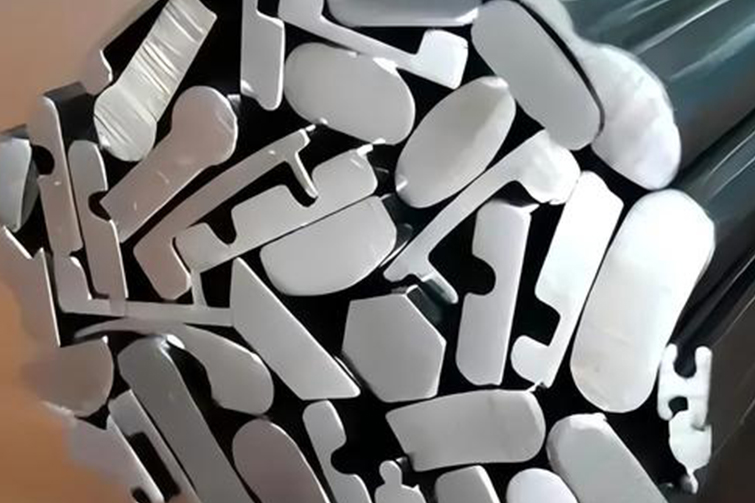
The design of steel columns involves careful consideration of factors such as load capacity, height, and material properties. Engineers use advanced software to calculate stresses and optimize shapes, often resulting in I-beams, H-sections, or tubular forms. Manufacturing processes include hot-rolling, welding, and galvanizing to enhance strength and corrosion resistance. For example, in seismic zones, columns may be designed with additional bracing or composite materials to withstand earthquakes. Proper design ensures that steel columns meet safety standards and perform reliably over decades, reducing maintenance costs and risks.
Applications in Construction and Engineering
Steel columns are widely used in various sectors, from residential buildings to large-scale industrial projects. In commercial construction, they support multi-story offices and shopping malls, allowing for open floor plans and aesthetic flexibility. In infrastructure, they form the framework for bridges, towers, and transmission lines, handling heavy loads and dynamic forces. Industrial applications include factories and warehouses, where columns must endure harsh conditions and heavy machinery. Real-world examples, such as the Burj Khalifa or the Golden Gate Bridge, showcase how steel columns enable iconic structures that define modern skylines.
Advantages and Challenges of Using Steel Columns
The advantages of steel columns are numerous: they offer high strength-to-weight ratios, allowing for lighter structures and faster construction times. They are also recyclable, contributing to sustainable building practices. However, challenges include potential corrosion in humid environments, which requires protective coatings like paint or galvanization. Fire resistance can be an issue, necessitating fireproofing materials. Additionally, proper installation is crucial; incorrect alignment or welding can compromise integrity. By addressing these challenges through best practices, such as regular inspections and material selection, engineers can maximize the benefits of steel columns.
Maintenance and Longevity of Steel Columns
To ensure longevity, steel columns require regular maintenance, including inspections for rust, cracks, or deformation. Protective measures, such as applying anti-corrosive coatings and ensuring proper drainage, can extend their lifespan. In seismic or high-wind areas, retrofitting may be necessary to enhance stability. Common issues, like fatigue from cyclic loading, can be mitigated through design adjustments and monitoring. By following maintenance schedules and using quality materials, steel columns can last for over 50 years, providing reliable support and reducing lifecycle costs for building owners.
Common Questions About Steel Columns
What are the main types of steel columns used in construction?
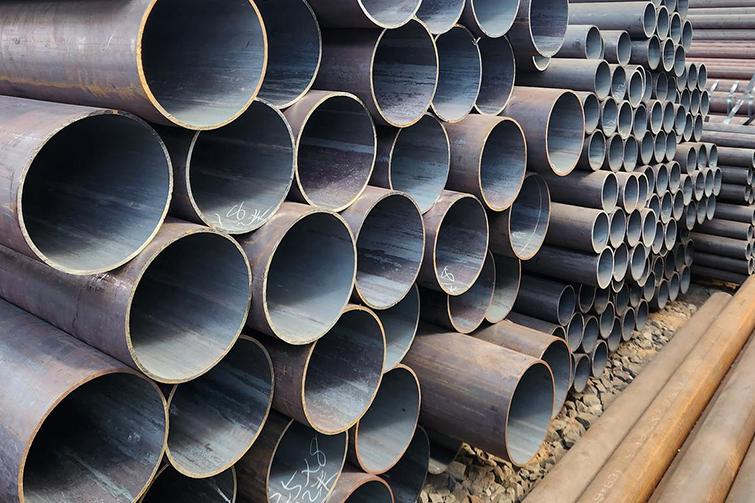
The main types include I-beams, H-sections, and tubular columns, each chosen based on load requirements and architectural design. I-beams are common for high-rise buildings, while tubular columns offer aesthetic appeal and resistance to torsional forces.
How do steel columns compare to concrete columns in terms of cost and performance?
Steel columns generally have higher initial costs but offer faster installation and greater design flexibility. They are lighter and more resistant to seismic activity, whereas concrete columns are cheaper for low-rise structures but require more time to cure and may crack under stress.
What are the key factors to consider when designing steel columns for a project?
Key factors include load calculations, material grade, environmental conditions (e.g., corrosion risk), fire resistance requirements, and compliance with local building codes. Collaboration with structural engineers is essential to optimize safety and efficiency.
How can corrosion in steel columns be prevented?
Corrosion can be prevented through protective coatings like galvanization, painting, or using stainless steel alloys. Regular inspections and maintenance, such as cleaning and reapplying coatings, also help mitigate rust and extend service life.
Are steel columns environmentally friendly?Yes, steel columns are environmentally friendly due to their recyclability; up to 90% of steel can be reused. They also reduce waste during construction and support sustainable practices by enabling energy-efficient building designs.