




316 Stainless Steel Pipe: The Ultimate Guide to Corrosion Resistance and Versatility
Introduction to 316 Stainless Steel Pipe
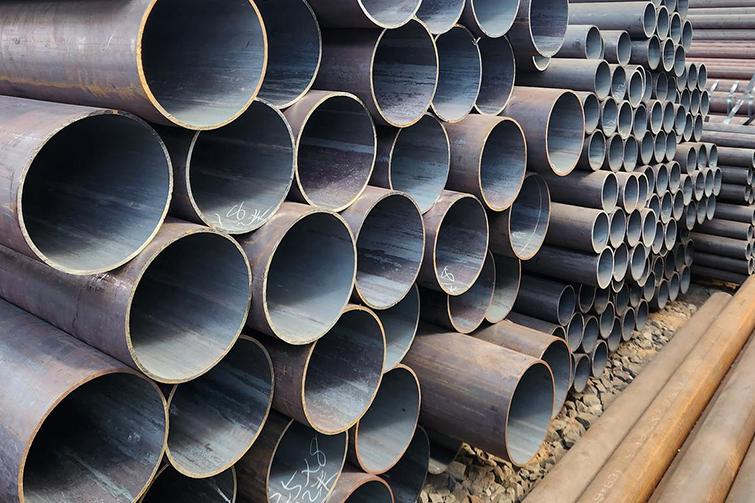
316 stainless steel pipe is a type of austenitic stainless steel that contains molybdenum, which enhances its resistance to corrosion, particularly in chloride environments. It is often referred to as marine-grade stainless steel because of its ability to withstand harsh conditions like saltwater exposure. This material is composed of iron, chromium, nickel, and molybdenum, with typical compositions including 16-18% chromium, 10-14% nickel, and 2-3% molybdenum. The addition of molybdenum sets it apart from other grades like 304 stainless steel, making it more suitable for aggressive applications where pitting and crevice corrosion are concerns. In industrial settings, 316 stainless steel pipe is valued for its strength, formability, and weldability, allowing it to be fabricated into various shapes and sizes for diverse uses.
Key Properties and Advantages
The primary advantage of 316 stainless steel pipe is its superior corrosion resistance, which makes it ideal for environments with high chloride content, such as coastal areas or chemical plants. This resistance is due to the molybdenum content, which forms a protective oxide layer that prevents rust and degradation. Additionally, 316 stainless steel offers excellent mechanical properties, including high tensile strength and good ductility, enabling it to handle high pressures and temperatures without failure. It is also non-magnetic in the annealed condition, which can be beneficial in applications requiring minimal magnetic interference. Compared to other materials, 316 stainless steel pipe provides long-term durability and low maintenance costs, as it resists staining and requires less frequent replacement. Its hygienic surface makes it suitable for food processing and pharmaceutical industries, where cleanliness is paramount.
Common Applications in Various Industries
316 stainless steel pipe is utilized across multiple sectors due to its versatility. In the chemical and petrochemical industries, it is used for piping systems that transport corrosive fluids, acids, and alkalis, ensuring safety and reliability. The marine industry relies on it for shipbuilding, offshore platforms, and desalination plants, where exposure to seawater demands robust materials. In medical and pharmaceutical fields, 316 stainless steel pipe is employed in surgical instruments, implants, and sterile equipment because of its biocompatibility and resistance to sterilization processes. Other applications include architecture for structural components, food and beverage processing for sanitary tubing, and automotive for exhaust systems. For example, in a desalination plant, 316 stainless steel pipes can handle the corrosive effects of brine, extending the system's lifespan and reducing downtime.
Selection and Installation Considerations
When selecting 316 stainless steel pipe, it is crucial to consider factors such as pipe size, wall thickness, and grade specifications to match the intended application. For instance, in high-pressure systems, thicker walls may be necessary to prevent leaks or bursts. Proper installation is also key to maximizing performance; this includes using compatible fittings, ensuring correct welding techniques to avoid carbide precipitation, and implementing regular inspections for signs of wear. Common mistakes to avoid include using inappropriate cleaning agents that can damage the protective oxide layer or neglecting to account for thermal expansion in high-temperature environments. By following best practices, such as consulting with engineers and adhering to industry standards like ASTM A312, users can optimize the longevity and efficiency of their piping systems.
Maintenance and Longevity Tips
To maintain 316 stainless steel pipe, regular cleaning with mild detergents and water is recommended to remove contaminants that could lead to corrosion. Avoid abrasive materials that might scratch the surface and compromise its protective layer. In industrial settings, periodic inspections for pitting, cracking, or discoloration can help identify issues early, allowing for timely repairs. The longevity of 316 stainless steel pipe can be extended by ensuring proper ventilation in enclosed spaces to prevent moisture buildup and by using passivation treatments to enhance the oxide layer. With proper care, these pipes can last for decades, providing a cost-effective solution compared to materials that require frequent replacement.
Frequently Asked Questions
What is the difference between 304 and 316 stainless steel pipe?
304 stainless steel pipe contains chromium and nickel but lacks molybdenum, making it less resistant to chloride corrosion than 316 stainless steel pipe, which includes molybdenum for enhanced protection in harsh environments.
Can 316 stainless steel pipe be used in high-temperature applications?
Yes, 316 stainless steel pipe can withstand high temperatures up to around 870°C (1600°F) in intermittent service, but it is important to consider factors like oxidation and thermal expansion for optimal performance.
How do I prevent corrosion in 316 stainless steel pipe?
To prevent corrosion, ensure proper installation, avoid contact with dissimilar metals that can cause galvanic corrosion, and maintain a clean surface by regular cleaning and passivation treatments.
Is 316 stainless steel pipe suitable for drinking water systems?
Yes, 316 stainless steel pipe is safe for drinking water systems due to its corrosion resistance and non-toxic properties, but it should be certified for potable water use and installed according to local regulations.