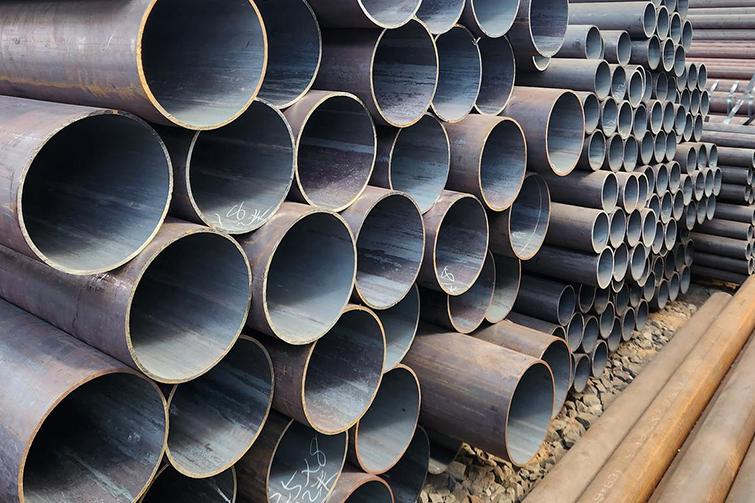






Stainless Steel Pipe 304: The Ultimate Guide to Properties, Applications, and Selection
Introduction to Stainless Steel Pipe 304
Stainless steel pipe 304, often referred to as 304 stainless steel pipe, is a type of austenitic stainless steel that contains chromium and nickel as its primary alloying elements. It is one of the most popular grades in the stainless steel family due to its balanced combination of strength, corrosion resistance, and affordability. This material is commonly used in environments where exposure to moisture and chemicals is frequent, making it ideal for applications ranging from plumbing to industrial processing. Its versatility stems from its ability to withstand a wide range of temperatures and pressures, ensuring reliability in demanding conditions.
Key Properties and Characteristics
The corrosion resistance of stainless steel pipe 304 is one of its standout features, primarily due to the presence of chromium, which forms a passive oxide layer on the surface that protects against rust and oxidation. This makes it suitable for use in marine, chemical, and food processing industries where exposure to corrosive substances is common. Additionally, it offers good mechanical strength and ductility, allowing it to be easily formed, welded, and fabricated into various shapes without compromising integrity. The material also exhibits excellent thermal conductivity and low magnetic permeability, which can be advantageous in specific applications like heat exchangers or electrical systems. However, it is important to note that while 304 stainless steel is highly resistant to many corrosive agents, it may be susceptible to chloride-induced stress corrosion cracking in high-temperature environments, so proper selection and maintenance are crucial.
Common Applications in Industry
Stainless steel pipe 304 finds extensive use across multiple sectors due to its durability and hygienic properties. In the food and beverage industry, it is commonly employed for piping systems that transport liquids, as it does not impart flavors or contaminants and is easy to clean, meeting strict sanitary standards. Similarly, in the pharmaceutical and chemical industries, it is used for processing equipment and storage tanks where purity and resistance to aggressive chemicals are paramount. Other notable applications include architectural structures, automotive exhaust systems, and household appliances like sinks and cookware. Its versatility also extends to construction and infrastructure, where it is used for handrails, support beams, and piping in buildings, thanks to its aesthetic appeal and long service life.
Selection and Maintenance Tips
When selecting stainless steel pipe 304 for a project, consider factors such as the operating environment, pressure requirements, and budget. For instance, in high-corrosion settings, ensure that the pipe is properly passivated or coated to enhance its protective layer. It is also advisable to choose the right wall thickness and diameter based on the intended load and flow rates to prevent failures. For maintenance, regular cleaning with mild detergents and avoiding abrasive materials can help preserve the oxide layer and prevent surface damage. In cases of exposure to chlorides, such as in coastal areas, periodic inspections for signs of pitting or cracking are recommended to address issues early. Additionally, proper installation techniques, including using compatible fittings and avoiding galvanic corrosion with dissimilar metals, can extend the lifespan of the piping system.
Frequently Asked Questions
What is the difference between stainless steel pipe 304 and 316?
Stainless steel pipe 304 contains about 18% chromium and 8% nickel, while 316 includes molybdenum, which provides enhanced corrosion resistance, especially against chlorides and acids. 316 is often preferred in marine or highly corrosive environments, but 304 is more cost-effective for general applications.
Can stainless steel pipe 304 be used for outdoor applications?
Yes, it is suitable for outdoor use due to its corrosion resistance, but in coastal or industrial areas with high salt or pollutant exposure, additional protective measures or regular maintenance may be necessary to prevent degradation over time.
How do I clean and maintain stainless steel pipe 304?
Clean it regularly with warm water and mild soap, avoiding harsh chemicals or steel wool that can scratch the surface. For stubborn stains, use specialized stainless steel cleaners, and always rinse thoroughly to remove residues that could compromise the protective oxide layer.