




Stainless Steel Pipes: The Ultimate Guide to Selection, Applications, and Maintenance
Introduction to Stainless Steel Pipes
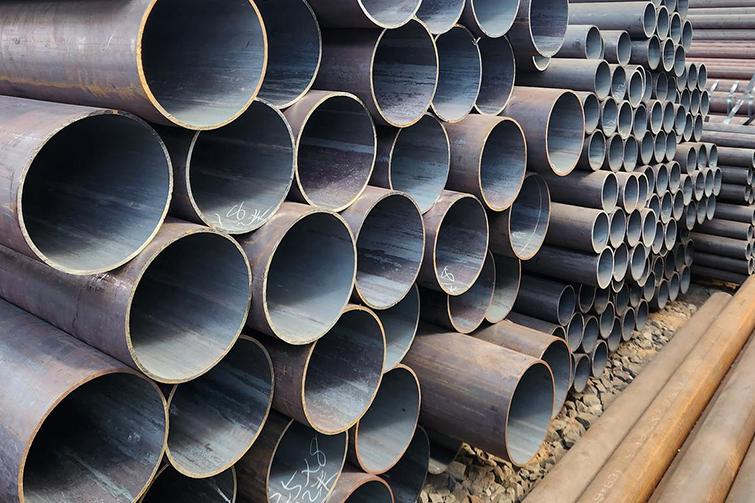
Stainless steel pipes, often referred to as stainless steel tubes, are hollow cylindrical structures made from an alloy of iron, chromium, and other elements like nickel and molybdenum. Their primary advantage lies in their exceptional resistance to rust and corrosion, making them ideal for environments where moisture, chemicals, or high temperatures are present. From plumbing systems to aerospace components, these pipes play a crucial role in ensuring safety and longevity in various applications.
Types and Grades of Stainless Steel Pipes
There are several types of stainless steel pipes, categorized based on their composition and properties. The most common grades include 304 stainless steel, which offers good corrosion resistance and is widely used in food processing and architectural projects, and 316 stainless steel, which contains molybdenum for enhanced resistance to chlorides and acids, making it suitable for marine and chemical industries. Other grades, such as 321 and 347, are designed for high-temperature applications, while duplex stainless steels provide a balance of strength and corrosion resistance. Understanding these differences is key to selecting the right pipe for your needs, as each grade has specific advantages and limitations.
Applications Across Industries
Stainless steel pipes are ubiquitous in both industrial and residential settings. In the construction sector, they are used for structural supports, handrails, and plumbing systems due to their aesthetic appeal and durability. In manufacturing, they serve as conduits for fluids and gases in chemical plants, oil refineries, and power generation facilities, where their resistance to harsh conditions prevents leaks and failures. Additionally, in the medical field, stainless steel pipes are essential for surgical instruments and hospital equipment, as they can be sterilized easily and do not react with bodily fluids. Their versatility extends to everyday items like kitchen sinks and automotive exhaust systems, highlighting their importance in modern life.
Selection Criteria and Best Practices
Choosing the right stainless steel pipe involves considering factors such as environmental conditions, pressure requirements, and budget constraints. For example, in coastal areas with high salt exposure, 316 grade is preferable over 304 to prevent pitting corrosion. It's also important to assess the pipe's wall thickness and diameter based on the intended flow rate and load-bearing needs. During installation, proper welding techniques and the use of compatible fittings are crucial to maintain integrity and prevent contamination. Regular inspections and maintenance, such as cleaning to remove deposits and checking for signs of wear, can extend the pipe's lifespan and ensure optimal performance.
Common Challenges and Solutions
Despite their robustness, stainless steel pipes can face issues like crevice corrosion in tight spaces or stress corrosion cracking under certain conditions. To mitigate these, it's advisable to use appropriate grades and avoid stagnant water or chemical buildup. In cases of damage, repairs should be done promptly using certified materials to prevent further deterioration. Consulting with experts and adhering to industry standards, such as those set by ASTM or ASME, can help address these challenges effectively.
Frequently Asked Questions
What is the difference between stainless steel pipes and tubes?
While often used interchangeably, pipes are typically measured by nominal pipe size (NPS) and used for fluid transport, whereas tubes are measured by outside diameter (OD) and used for structural applications. Both are made from stainless steel but have different manufacturing standards.
How do I maintain stainless steel pipes to prevent corrosion?
Regular cleaning with mild soap and water, avoiding abrasive materials, and ensuring proper drainage can prevent corrosion. In aggressive environments, consider using protective coatings or selecting higher-grade alloys like 316.
Can stainless steel pipes be recycled?
Yes, stainless steel is highly recyclable, with most products containing a significant percentage of recycled material. This makes it an environmentally friendly choice, reducing waste and conserving resources.
What are the cost considerations for stainless steel pipes?
Costs vary based on grade, size, and market conditions. While initial investment may be higher than alternatives like carbon steel, the long-term savings from reduced maintenance and longer lifespan often justify the expense.