





Stainless Steel Bar Stock: A Comprehensive Guide to Selection, Applications, and Best Practices
Introduction to Stainless Steel Bar Stock
Stainless steel bar stock, often referred to as stainless steel bars, is a fundamental material in various industries, from automotive to aerospace. It is produced in different shapes, such as round, square, and hexagonal bars, and is prized for its ability to withstand harsh environments without rusting. The term stainless steel bar stock translates to English as stainless steel bar stock, emphasizing its raw, unprocessed form used for machining or fabrication. This material's popularity stems from its excellent mechanical properties, including high strength and ductility, making it ideal for critical components.
Key Properties and Grades of Stainless Steel Bar Stock
Stainless steel bar stock comes in various grades, each tailored to specific needs. Common grades include 304 stainless steel, which offers good corrosion resistance and is widely used in food processing and architectural applications, and 316 stainless steel, known for its superior resistance to chlorides, making it suitable for marine environments. Other grades, like 410 stainless steel, provide higher hardness for tools and fasteners. The choice of grade depends on factors such as exposure to chemicals, temperature extremes, and load-bearing requirements. Understanding these properties ensures optimal performance and longevity in your projects.
Applications Across Industries
The versatility of stainless steel bar stock is evident in its diverse applications. In the construction industry, it is used for structural supports, railings, and reinforcement due to its strength and aesthetic appeal. In manufacturing, it serves as raw material for machining parts like shafts, bolts, and valves, where precision and durability are crucial. The medical field relies on it for surgical instruments and implants, thanks to its biocompatibility and sterilizability. Additionally, in the energy sector, stainless steel bars are employed in pipelines and turbines to resist corrosion from fluids and gases. These examples highlight how stainless steel bar stock supports innovation and safety in modern technology.
Selection and Purchasing Tips
When selecting stainless steel bar stock, consider several factors to avoid common pitfalls. First, determine the required grade based on environmental conditions; for instance, choose 316 for saltwater exposure. Second, assess the dimensions and tolerances needed for your machining or fabrication processes—standard sizes are available, but custom cuts may be necessary. Third, source from reputable suppliers who provide certifications, such as ASTM or ISO standards, to ensure material quality. It's also wise to request samples for testing before large purchases. By following these tips, you can minimize waste and ensure that the stainless steel bar stock meets your project specifications effectively.
Machining and Fabrication Best Practices
Working with stainless steel bar stock requires specific techniques to achieve optimal results. Due to its hardness, use sharp tools and appropriate cutting speeds to prevent work hardening and tool wear. Lubrication is essential during machining to reduce heat and extend tool life. For welding, select compatible filler materials and control heat input to avoid distortion or corrosion in the heat-affected zones. Post-processing, such as passivation, can enhance corrosion resistance by removing surface contaminants. These practices, drawn from real-world experience, help maximize the benefits of stainless steel bar stock while maintaining efficiency and safety in workshops.
Common Questions
What is the difference between stainless steel bar stock and other forms like sheets or tubes?
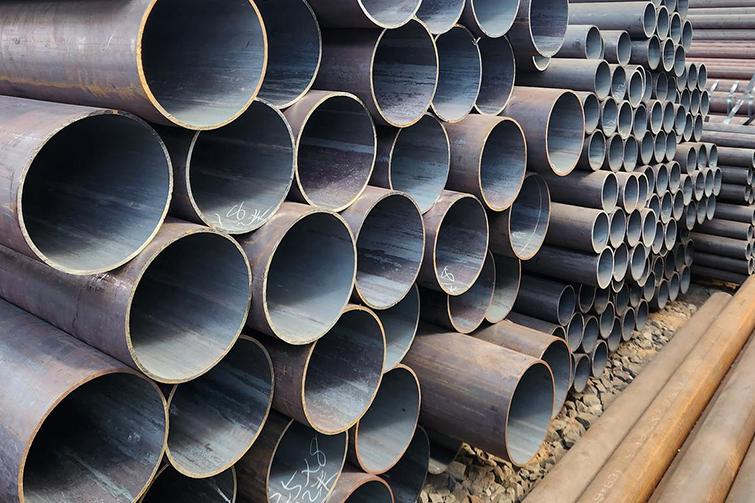
Stainless steel bar stock is typically solid and used for machining into specific shapes, whereas sheets are flat for bending or cutting, and tubes are hollow for fluid transport. The choice depends on the application's structural and functional needs.
How do I prevent corrosion in stainless steel bar stock?
To prevent corrosion, select the appropriate grade (e.g., 316 for high-chloride environments), ensure proper cleaning to remove contaminants, and consider treatments like passivation. Regular maintenance and avoiding contact with dissimilar metals can also help.
Can stainless steel bar stock be recycled?
Yes, stainless steel bar stock is highly recyclable due to its durability and value. Recycling reduces environmental impact and conserves resources, making it a sustainable choice for many industries.
What are the cost considerations when buying stainless steel bar stock?
Costs vary based on grade, size, and quantity. Higher grades like 316 are more expensive but offer better performance. Buying in bulk or from direct manufacturers can reduce costs, but always balance price with quality to avoid compromises.