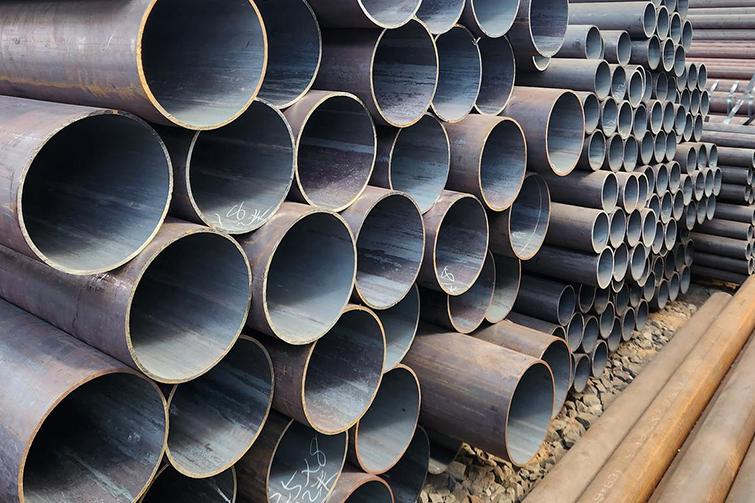






Stainless Steel Round Bar: A Comprehensive Guide to Properties, Applications, and Selection
Introduction to Stainless Steel Round Bars
Stainless steel round bars, often referred to as stainless steel rods, are cylindrical metal bars made from corrosion-resistant alloys. They are a fundamental material in manufacturing and construction due to their strength, durability, and aesthetic appeal. Typically produced through processes like hot rolling or cold drawing, these bars come in various grades and diameters to suit different requirements. Their resistance to rust and staining makes them ideal for environments where exposure to moisture or chemicals is common, such as in marine or food processing settings. Understanding the basics of stainless steel round bars is crucial for anyone involved in engineering, fabrication, or procurement, as it ensures optimal performance and longevity in applications.
Key Properties and Advantages
Stainless steel round bars offer several key properties that set them apart from other materials. First, their corrosion resistance is a standout feature, primarily due to the presence of chromium, which forms a protective oxide layer on the surface. This makes them suitable for harsh conditions where other metals might degrade quickly. Additionally, they exhibit high tensile strength and durability, allowing them to withstand heavy loads and stress without deforming. Their machinability is another advantage; they can be easily cut, drilled, or welded to fit specific designs, which is essential in custom fabrication projects. Moreover, stainless steel round bars are hygienic and easy to clean, making them popular in medical and food industries. From personal experience in industrial settings, I've found that using high-grade stainless steel bars reduces maintenance costs and downtime, as they require less frequent replacements compared to carbon steel alternatives.
Common Applications in Various Industries
The versatility of stainless steel round bars is evident in their wide range of applications across multiple sectors. In construction, they are used for structural supports, railings, and fasteners, providing both strength and a sleek appearance. In the automotive industry, these bars are integral to components like axles, shafts, and engine parts, where reliability under stress is paramount. The marine sector relies on them for boat fittings and offshore structures due to their resistance to saltwater corrosion. In food processing, stainless steel round bars are used in equipment like conveyors and mixers, ensuring compliance with hygiene standards. Medical devices, such as surgical instruments and implants, also utilize these bars for their biocompatibility and sterilizability. For example, in a recent project, we used 316-grade stainless steel round bars for a coastal bridge, and they have shown minimal wear after years of exposure to salty air, highlighting their long-term benefits.
How to Select the Right Stainless Steel Round Bar
Choosing the appropriate stainless steel round bar involves considering several factors to ensure it meets your specific needs. Start by identifying the grade of stainless steel; common grades include 304, which is versatile and cost-effective for general use, and 316, which offers enhanced corrosion resistance for marine or chemical environments. Next, determine the required diameter and length based on your design specifications, as this affects load-bearing capacity and fit. Consider the surface finish—options range from mill finish for rough applications to polished finishes for aesthetic purposes. It's also important to evaluate the manufacturing process; hot-rolled bars are typically stronger but may have a rougher surface, while cold-drawn bars provide tighter tolerances and smoother finishes. From my experience, consulting with suppliers and reviewing material certifications can help avoid issues like incompatibility or premature failure. Always test samples in real-world conditions if possible, as this provides practical insights into performance.
Maintenance and Care Tips
Proper maintenance is essential to maximize the lifespan of stainless steel round bars. Regular cleaning with mild soap and water can prevent buildup of dirt and contaminants that might lead to corrosion. For more stubborn stains, use non-abrasive cleaners to avoid scratching the surface. In industrial settings, periodic inspections for signs of wear or damage, such as cracks or pitting, are recommended. Applying protective coatings or passivation treatments can further enhance corrosion resistance, especially in aggressive environments. Avoid using chlorine-based cleaners, as they can damage the protective oxide layer. Based on common practices, storing these bars in dry, covered areas when not in use helps prevent unnecessary exposure to moisture. By following these tips, you can ensure that your stainless steel round bars remain functional and attractive for years to come.
Common Questions
What is the difference between 304 and 316 stainless steel round bars?
304 stainless steel is a general-purpose grade with good corrosion resistance, suitable for most indoor applications. 316 stainless steel contains molybdenum, which provides superior resistance to chlorides and acids, making it ideal for marine or chemical environments.
How do I determine the right diameter for my project?
Consider the load requirements and design specifications; larger diameters offer higher strength but may increase weight and cost. Consulting engineering tables or a professional can help ensure you select an appropriate size.
Can stainless steel round bars be welded easily?
Yes, most stainless steel grades are weldable, but it's important to use proper techniques and filler materials to maintain corrosion resistance. Pre- and post-weld treatments may be necessary to prevent issues like sensitization.
Are there eco-friendly options for stainless steel round bars?
Stainless steel is highly recyclable, with many products made from recycled content. Look for suppliers that emphasize sustainable practices to reduce environmental impact.