





Duplex Steel: The Advanced Material Revolutionizing Corrosion-Resistant Applications
What is Duplex Steel?
Duplex steel, also known as duplex stainless steel, is a type of alloy that combines the best properties of both austenitic and ferritic stainless steels. It typically contains a balanced microstructure of approximately 50% austenite and 50% ferrite, which gives it a unique set of characteristics. This dual-phase structure was first developed in the 1930s, but it gained widespread commercial use in the late 20th century as industries demanded materials with higher strength and better corrosion resistance. The term duplex refers to this two-phase nature, which is key to its performance. Common grades include UNS S31803 (2205) and UNS S32750 (2507), each tailored for specific environments. For example, 2205 duplex steel is widely used in chemical processing due to its moderate corrosion resistance, while 2507 is preferred in offshore applications for its superior pitting resistance. Understanding the basic composition and history of duplex steel helps in appreciating why it has become a go-to material in demanding sectors.
Key Properties and Advantages
The primary advantages of duplex steel stem from its balanced microstructure. It offers excellent strength, often twice that of standard austenitic stainless steels like 304 or 316, allowing for thinner sections and weight savings in structures. This high strength is coupled with good toughness and ductility, making it suitable for fabrication processes such as welding and forming. Corrosion resistance is another standout feature; duplex steels resist chloride stress corrosion cracking, pitting, and crevice corrosion better than many other alloys. For instance, in seawater environments, 2507 duplex steel can withstand harsh conditions without significant degradation. Additionally, it has good thermal conductivity and low thermal expansion, which reduces stress in high-temperature applications. From a cost perspective, while duplex steel may have a higher initial price than some alternatives, its longevity and reduced maintenance often lead to lower total lifecycle costs. In my experience working with industrial projects, specifying duplex steel has helped clients avoid frequent replacements and downtime, proving its value over time.
Applications in Various Industries
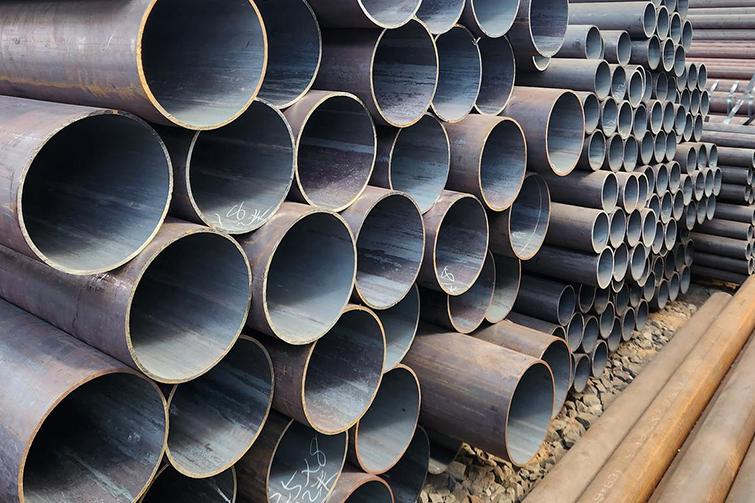
Duplex steel finds applications across multiple industries due to its versatile properties. In the oil and gas sector, it is used for pipelines, pressure vessels, and offshore platforms where resistance to sour gas (containing hydrogen sulfide) is critical. For example, subsea equipment made from duplex steel can endure high pressures and corrosive elements without failure. The chemical processing industry relies on it for reactors, heat exchangers, and storage tanks that handle aggressive chemicals like acids and chlorides. In marine engineering, duplex steel is ideal for shipbuilding, desalination plants, and coastal structures exposed to saltwater. Other notable uses include pulp and paper manufacturing, where it resists corrosive byproducts, and architectural applications in bridges or buildings requiring durability in harsh climates. A real-world case I encountered involved a chemical plant upgrading to duplex steel piping, which eliminated leaks and extended service life by over 20 years. This demonstrates how choosing the right material can enhance safety and efficiency.
Comparison with Other Materials
When compared to other stainless steels and alloys, duplex steel offers distinct benefits. Austenitic stainless steels, such as 316L, provide good corrosion resistance but lower strength, often necessitating thicker sections. Ferritic stainless steels are magnetic and have moderate corrosion resistance but may lack toughness. Duplex steel bridges this gap with higher strength and better corrosion performance. For instance, in chloride-rich environments, duplex steels outperform austenitic grades in resisting stress corrosion cracking. Compared to nickel-based alloys like Inconel, duplex steel is more cost-effective while still offering adequate resistance for many applications. However, it is not suitable for extremely high temperatures above 300°C (572°F), where specialized alloys might be needed. In terms of fabrication, duplex steel requires careful welding techniques to maintain its microstructure, but with proper procedures, it can be easily worked. From a sustainability angle, its durability reduces waste and energy consumption over time. Based on industry data, duplex steel is increasingly replacing traditional materials in projects where reliability is paramount.
Common Questions
What are the main grades of duplex steel and their differences?
The most common grades are UNS S31803 (2205) and UNS S32750 (2507). 2205 duplex steel has a lower alloy content, offering good general corrosion resistance and strength, making it suitable for chemical processing and marine applications. 2507 is a super duplex grade with higher chromium, molybdenum, and nitrogen content, providing superior pitting and crevice corrosion resistance, ideal for offshore and aggressive environments. Other grades include lean duplex steels like 2304, which are more economical but with slightly reduced properties.
How does duplex steel perform in welding and fabrication?
Duplex steel can be welded using common methods like TIG or MIG, but it requires precise control to avoid issues such as sigma phase formation, which can embrittle the material. Preheating is generally not needed, but using matching filler metals and maintaining an appropriate heat input is crucial. Post-weld heat treatment may be necessary for thick sections to restore corrosion resistance. With proper techniques, it offers good weldability and formability.
What are the cost considerations when using duplex steel?
While duplex steel has a higher upfront cost compared to standard stainless steels, its enhanced strength allows for thinner sections, reducing material usage and weight. This can lower transportation and installation costs. More importantly, its excellent corrosion resistance minimizes maintenance, repairs, and replacements, leading to significant savings over the lifecycle of a project. In many cases, the total cost of ownership is lower than for less durable materials.
Can duplex steel be used in high-temperature applications?
Duplex steel has good thermal properties, but it is generally not recommended for continuous use above 300°C (572°F) due to potential microstructural changes that can reduce toughness and corrosion resistance. For higher temperatures, austenitic stainless steels or nickel-based alloys are better choices. However, it performs well in intermittent high-temperature scenarios, such as in heat exchangers.
What are the environmental benefits of duplex steel?
Duplex steel contributes to sustainability through its durability and recyclability. Its long service life reduces the need for frequent replacements, conserving resources and energy. At end-of-life, it is fully recyclable, aligning with circular economy principles. Additionally, its resistance to corrosion helps prevent leaks and contamination in industrial settings, protecting ecosystems.