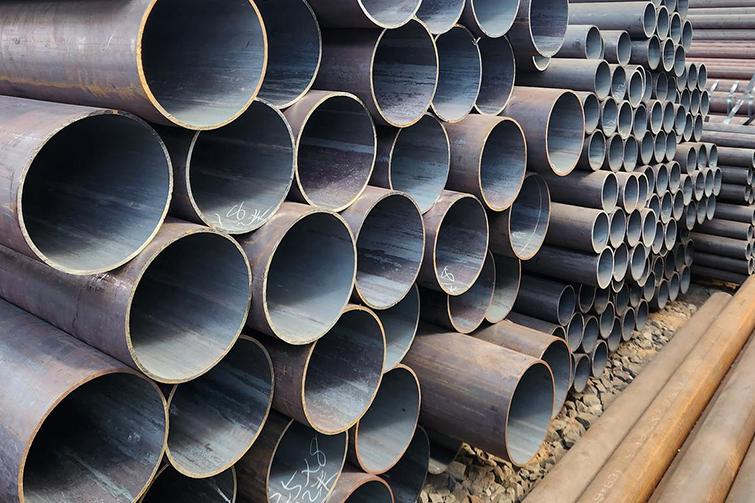






Mastering Stainless Steel Fabrication: Techniques, Tips, and Best Practices
Introduction to Stainless Steel Fabrication
Stainless steel fabrication involves shaping and assembling stainless steel into various products, from kitchen appliances to industrial machinery. Known for its strength and resistance to rust, stainless steel is a popular choice in many industries. The process typically includes cutting, bending, welding, and finishing, each requiring specific skills and tools to ensure precision and longevity.
Key Techniques in Stainless Steel Fabrication
Several techniques are essential for successful stainless steel fabrication. Cutting is often done using laser, plasma, or waterjet methods, which provide clean edges and minimize material waste. Bending requires careful control to avoid cracking, with press brakes commonly used for accurate angles. Welding is a critical step, where techniques like TIG (Tungsten Inert Gas) welding are preferred for their clean, strong joints. Proper heat management during welding prevents distortion and maintains the steel's corrosion resistance.
Common Challenges and How to Overcome Them
Fabricators often face challenges such as warping, contamination, and tool wear. To prevent warping, use low heat input and clamp the material securely during welding. Contamination from oils or dirt can lead to corrosion, so always clean surfaces thoroughly before processing. Tool wear is another issue, as stainless steel is harder than other metals; using carbide-tipped tools and regular maintenance can extend tool life and improve efficiency.
Best Practices for Quality Results
Adopting best practices ensures high-quality stainless steel fabrication. Start with selecting the right grade of stainless steel, such as 304 for general use or 316 for marine environments. Plan your fabrication sequence to minimize handling and reduce errors. Use proper safety gear, including gloves and eye protection, to prevent injuries. Finally, implement quality control checks at each stage, measuring dimensions and inspecting welds to catch issues early.
Applications and Industry Insights
Stainless steel fabrication is vital in sectors like construction, automotive, and healthcare. In construction, it's used for structural components and decorative elements due to its durability. The automotive industry relies on it for exhaust systems and trim parts. In healthcare, stainless steel's hygienic properties make it ideal for surgical instruments and medical equipment. Understanding these applications helps fabricators tailor their processes to meet specific industry standards.
Future Trends in Stainless Steel Fabrication
The future of stainless steel fabrication is shaped by advancements in technology and sustainability. Automation and robotics are increasing precision and reducing labor costs. Additive manufacturing, or 3D printing, allows for complex designs with less waste. Sustainable practices, such as recycling scrap steel, are becoming more important to reduce environmental impact. Staying updated on these trends can give fabricators a competitive edge.
Frequently Asked Questions
What is the best welding method for stainless steel?
TIG welding is often recommended for stainless steel because it produces clean, precise welds with minimal spatter, preserving the material's corrosion resistance.
How can I prevent scratches on stainless steel during fabrication?
Use protective films or coverings on the surface, handle with care, and avoid dragging tools across the material to minimize scratches.
What are the most common grades of stainless steel used in fabrication?
Grade 304 is widely used for its versatility and corrosion resistance, while grade 316 offers better resistance to chlorides, making it suitable for harsh environments.
How do I choose the right cutting method for my project?
Consider factors like material thickness, precision requirements, and budget. Laser cutting is great for thin sheets, while waterjet cutting works well for thicker materials without heat distortion.