




Submerged Arc Welding (SAW): A Comprehensive Guide to Process, Applications, and Best Practices
Introduction to Submerged Arc Welding
Submerged Arc Welding (SAW) is an arc welding process that involves the formation of an arc between a continuously fed electrode and the workpiece. The arc is submerged under a blanket of granular flux, which shields the weld from atmospheric contamination, prevents spatter, and stabilizes the arc. This process is known for its high deposition rates, deep penetration, and excellent weld quality, making it ideal for thick materials and large-scale projects. SAW is commonly used in industries such as shipbuilding, pipeline construction, and structural steel fabrication, where efficiency and reliability are paramount. By understanding the basics of SAW, welders can leverage its advantages to produce strong, durable joints with minimal defects.
Key Components and Equipment
The SAW system consists of several essential components that work together to ensure a smooth welding operation. The primary elements include the power source, which provides the necessary current for the arc; the wire feeder, which continuously supplies the electrode wire; the flux hopper, which dispenses the granular flux over the weld area; and the welding head, which guides the electrode and flux. Additionally, a travel mechanism, such as a tractor or automated system, moves the welding head along the joint. Proper setup and maintenance of these components are crucial for achieving consistent results. For instance, using the correct flux type—whether agglomerated or fused—can significantly impact weld chemistry and mechanical properties. Regular calibration of equipment helps prevent issues like porosity or incomplete fusion, ensuring high productivity and cost-effectiveness in industrial applications.
Process Parameters and Control
Controlling the process parameters in SAW is vital for optimizing weld quality and efficiency. Key variables include current, voltage, travel speed, and electrode extension. Higher currents generally lead to deeper penetration and faster deposition rates, but they must be balanced with voltage to maintain arc stability. Travel speed affects the bead shape and heat input; too fast can cause lack of fusion, while too slow may result in excessive heat distortion. Electrode extension, or stick-out, influences resistance heating and should be adjusted based on material thickness. Additionally, flux depth and composition play a role in shielding and slag formation. By fine-tuning these parameters, welders can achieve desired outcomes such as minimal distortion, good mechanical properties, and reduced post-weld cleaning. It's recommended to conduct trial runs and refer to welding procedure specifications (WPS) for specific applications.
Advantages and Limitations
SAW offers numerous advantages that make it a preferred choice in many industrial settings. Its high deposition rates allow for faster completion of large welds, reducing labor costs and project timelines. The submerged arc provides excellent protection from atmospheric gases, resulting in clean, high-strength welds with minimal porosity. The process is also highly automated, enabling consistent quality in repetitive tasks and reducing operator fatigue. However, SAW has some limitations. It is primarily suited for flat or horizontal positions due to the flux blanket, which can limit its use in complex geometries. The initial setup cost can be high, and the process generates significant heat, requiring careful management to avoid distortion in thin materials. Understanding these pros and cons helps in selecting SAW for appropriate applications, such as thick plate welding or long seams.
Applications in Industry
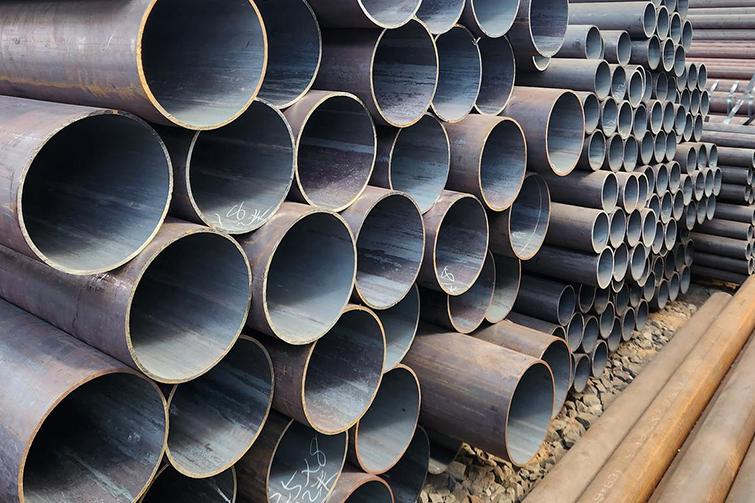
SAW is extensively used across various industries due to its efficiency and reliability. In shipbuilding, it is employed for welding hull plates and structural components, where deep penetration ensures watertight integrity. The pipeline industry relies on SAW for joining large-diameter pipes, often using multiple-wire systems to increase productivity. In structural steel fabrication, SAW is used for beams, columns, and bridges, providing strong connections that withstand heavy loads. Other applications include pressure vessel manufacturing, railway track welding, and offshore platform construction. By leveraging SAW's capabilities, companies can enhance durability and safety in critical infrastructure. Case studies show that proper implementation, such as using tandem SAW for high-speed welding, can lead to significant cost savings and improved project outcomes.
Best Practices and Safety Considerations
To maximize the benefits of SAW, adhering to best practices is essential. Start by ensuring proper joint preparation, including cleaning and beveling, to prevent defects like lack of fusion. Use high-quality consumables, such as matching flux and wire grades, to maintain weld integrity. Implement automation where possible to reduce human error and increase consistency. Regularly inspect equipment for wear and tear, and follow manufacturer guidelines for maintenance. Safety is paramount in SAW operations; always wear appropriate personal protective equipment (PPE), such as helmets, gloves, and flame-resistant clothing. Ventilate the work area to avoid fume inhalation, and be cautious of hot slag and sparks. Training operators on proper techniques and emergency procedures can prevent accidents and ensure a safe working environment.
Common Questions
What is the main advantage of Submerged Arc Welding over other processes?
The primary advantage of SAW is its high deposition rate and deep penetration, which make it highly efficient for welding thick materials in flat or horizontal positions. The submerged flux provides excellent shielding, resulting in clean, high-quality welds with minimal defects, reducing the need for extensive post-weld cleaning.
Can SAW be used for all types of metals?
SAW is most commonly used for carbon steels, low-alloy steels, and some stainless steels. It is less suitable for non-ferrous metals like aluminum or copper due to flux compatibility issues and higher heat input, which can cause distortion. Always consult material specifications and conduct tests before applying SAW to unfamiliar metals.
How do I choose the right flux for SAW?
Selecting the correct flux depends on the base material, desired weld properties, and application requirements. Agglomerated fluxes offer better control over alloy content and are often used for critical applications, while fused fluxes are more economical for general purposes. Refer to flux manufacturer data sheets and welding codes for guidance.
What are common defects in SAW and how can they be prevented?
Common defects include porosity, slag inclusions, and lack of fusion. To prevent these, ensure proper flux storage to avoid moisture absorption, maintain consistent travel speed and current settings, and clean the joint thoroughly before welding. Regular equipment checks and adherence to WPS can minimize these issues.
Is SAW suitable for automated welding systems?
Yes, SAW is highly amenable to automation due to its continuous wire feed and flux delivery. Automated systems, such as robotic welders or tractor-mounted units, can enhance precision, repeatability, and productivity, making SAW ideal for mass production and large-scale projects.