




Steel Structural Components: The Backbone of Modern Engineering and Construction
Introduction to Steel Structural Components
Steel structural components, often referred to as steel structural members, are fundamental building blocks used in various engineering and construction projects. These components are manufactured from steel, a material known for its high strength-to-weight ratio, durability, and flexibility. From skyscrapers and bridges to industrial facilities and residential buildings, steel components play a pivotal role in ensuring structural integrity and safety. In this article, we delve into the world of steel structural components, examining their types, applications, and the advantages they bring to modern construction.
Types of Steel Structural Components
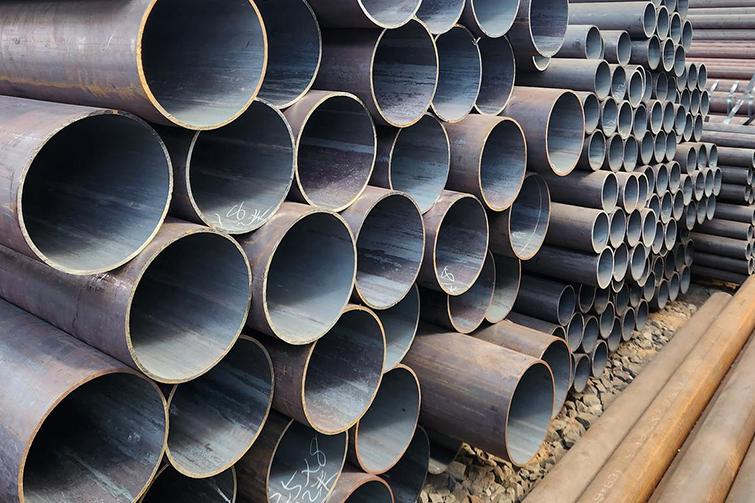
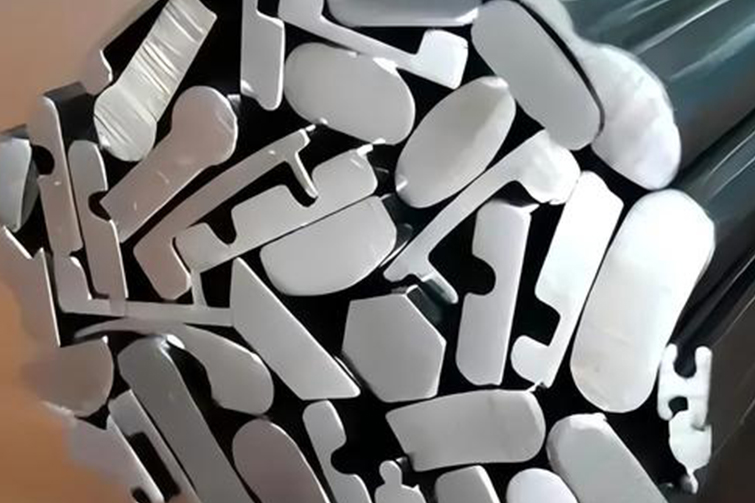
Steel structural components come in diverse forms, each designed for specific functions within a structure. Common types include beams, which are horizontal members that support loads and transfer them to columns; columns, vertical elements that bear compressive forces and provide stability; trusses, frameworks of triangular units that distribute loads efficiently; and plates and sheets, used for cladding, flooring, and other surface applications. Additionally, specialized components like connections (e.g., bolts and welds) and foundation elements are crucial for assembling and securing the structure. Understanding these types helps engineers select the right components for optimal performance and cost-effectiveness.
Applications in Modern Construction
The applications of steel structural components are vast and varied, spanning multiple industries. In commercial construction, they are used to erect high-rise buildings, shopping malls, and office complexes, where their strength allows for open floor plans and large spans. In infrastructure projects, such as bridges, tunnels, and highways, steel components provide the necessary resilience to withstand heavy traffic and environmental stresses. Industrial settings, including factories and warehouses, rely on steel for its ability to support heavy machinery and withstand harsh conditions. Moreover, in residential construction, steel framing is gaining popularity for its durability and resistance to pests and fire. Real-world examples, like the Eiffel Tower and modern skyscrapers, showcase the versatility and reliability of steel in creating iconic structures.
Benefits of Using Steel Structural Components
Using steel structural components offers numerous advantages that make them a preferred choice in construction. First, strength and durability: steel has a high tensile strength, allowing it to bear heavy loads without deformation, and it resists corrosion when properly treated. Second, flexibility and adaptability: steel components can be prefabricated off-site, reducing construction time and allowing for easy modifications during the building process. Third, sustainability: steel is recyclable, making it an eco-friendly option that reduces waste and environmental impact. Fourth, cost-effectiveness: although initial costs might be higher, the long-term savings from reduced maintenance and extended lifespan often outweigh the investment. These benefits contribute to safer, more efficient, and sustainable building practices.
Common Challenges and Solutions
Despite their advantages, steel structural components face certain challenges that require careful management. One common issue is corrosion, which can weaken the structure over time. To mitigate this, applying protective coatings like galvanization or using corrosion-resistant alloys is essential. Another challenge is thermal expansion, where steel expands and contracts with temperature changes, potentially causing stress. Engineers address this by incorporating expansion joints and designing for thermal movement. Additionally, fire resistance can be a concern, as steel loses strength at high temperatures. Solutions include fireproofing materials and sprinkler systems. By anticipating these challenges and implementing proactive measures, the integrity and longevity of steel structures can be ensured.
Future Trends and Innovations
The future of steel structural components is shaped by ongoing innovations and trends in the construction industry. Advances in material science are leading to the development of high-strength, lightweight steels that enhance performance while reducing weight. Digital technologies, such as Building Information Modeling (BIM) and 3D printing, are revolutionizing design and fabrication processes, allowing for more precise and efficient production. Sustainability efforts are driving the use of green steel, produced with lower carbon emissions, aligning with global environmental goals. Furthermore, the integration of smart sensors into steel components enables real-time monitoring of structural health, improving safety and maintenance. These trends promise to make steel structures even more resilient, efficient, and adaptable to future needs.
Common Questions
What are the main types of steel used in structural components?
The main types include carbon steel, which is common for its strength and affordability; alloy steel, enhanced with other elements for specific properties; and stainless steel, known for its corrosion resistance. Each type is chosen based on the project's requirements for load-bearing, environment, and budget.
How do steel structural components compare to concrete in construction?
Steel offers higher strength-to-weight ratio, faster construction times due to prefabrication, and better flexibility for design changes. Concrete, on the other hand, provides excellent compressive strength and fire resistance but is heavier and slower to construct. Often, a combination of both materials is used to leverage their respective advantages.
What maintenance is required for steel structures?
Regular maintenance includes inspecting for corrosion, checking connections for looseness, and reapplying protective coatings as needed. It's also important to monitor for signs of fatigue or damage, especially in high-stress environments, to prevent failures and extend the structure's lifespan.