




China Guardrail: A Comprehensive Guide to Safety, Standards, and Global Applications
Introduction to China Guardrail Systems
Guardrails, often referred to as safety barriers or crash barriers, are essential infrastructure components designed to prevent vehicles from veering off roads or into hazardous areas. In China, the guardrail industry has seen rapid growth, driven by urbanization, infrastructure development, and stringent safety regulations. Chinese guardrails are widely used not only domestically but also exported globally, thanks to their cost-effectiveness and adherence to international standards. This section delves into the basics of China guardrail systems, highlighting their importance in modern transportation and industrial safety.
Materials and Manufacturing Processes
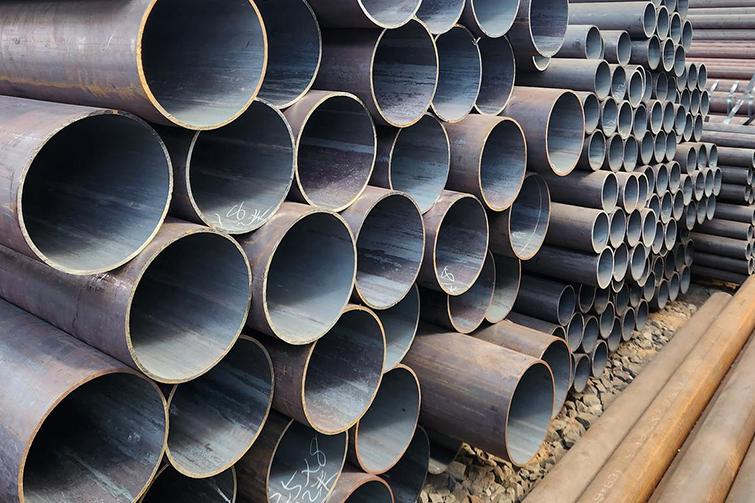
Chinese guardrails are typically made from high-quality materials such as galvanized steel, aluminum, or composite materials, ensuring durability and resistance to corrosion. The manufacturing process involves precision engineering, including rolling, welding, and coating techniques. For example, hot-dip galvanization is commonly used to apply a protective zinc layer, extending the lifespan of guardrails in harsh environments. Advanced production facilities in China employ automated systems to maintain consistency and meet large-scale demands, making them a reliable choice for projects worldwide.
Standards and Regulations in China
China has established comprehensive standards for guardrail design and installation, primarily governed by the Ministry of Transport and related agencies. Key standards include GB/T 31439 for highway guardrails and JT/T 281 for bridge barriers, which specify requirements for materials, dimensions, and performance testing. These regulations ensure that guardrails can withstand impact forces and provide adequate protection. Compliance with these standards is crucial for safety certification and is often aligned with international norms, facilitating global trade and project approvals.
Applications and Benefits in Various Sectors
China guardrails are versatile, finding applications in multiple sectors. On highways, they reduce accident severity by redirecting vehicles safely. In urban areas, they protect pedestrians and cyclists, while in industrial sites, they secure perimeters and machinery. The benefits include enhanced safety, cost savings due to mass production, and environmental sustainability through recyclable materials. Real-world examples, such as the use of Chinese guardrails in the Belt and Road Initiative projects, demonstrate their effectiveness in diverse climates and terrains.
Global Market and Export Considerations
China is a major exporter of guardrails, with products shipped to regions like Europe, North America, and Southeast Asia. To succeed in the global market, Chinese manufacturers focus on quality control, customization options, and compliance with international standards such as EN 1317 in Europe. Challenges include navigating trade regulations and adapting to local preferences, but partnerships and certifications help overcome these hurdles. For buyers, it's advisable to verify supplier credentials and request samples to ensure product suitability.
Installation and Maintenance Best Practices
Proper installation is key to maximizing guardrail effectiveness. This involves site assessment, correct anchoring, and alignment according to design plans. In China, trained professionals follow guidelines to ensure stability and impact resistance. Maintenance tips include regular inspections for damage, cleaning to prevent corrosion, and timely repairs. Neglecting maintenance can compromise safety, so establishing a routine schedule is essential for long-term performance.
Common Questions
What are the main types of guardrails produced in China?
China produces various types, including W-beam guardrails for highways, cable barriers for median strips, and pedestrian guardrails for urban areas. Each type is designed for specific applications and impact levels.
How do Chinese guardrails compare to those from other countries in terms of quality?
Chinese guardrails often match or exceed international quality standards, thanks to advanced manufacturing and strict regulations. They are competitively priced, making them a popular choice for budget-conscious projects without sacrificing safety.
Are there environmental concerns with using Chinese guardrails?
Many Chinese guardrails are made from recyclable materials like steel, and eco-friendly coatings are increasingly used. Proper disposal and recycling practices can minimize environmental impact.
What should I consider when importing guardrails from China?
Key factors include verifying supplier certifications, checking compliance with local standards, understanding shipping logistics, and considering customization needs for specific projects.