





Mastering the Box Girder: A Comprehensive Guide to Design, Applications, and Engineering Excellence
Introduction to Box Girders
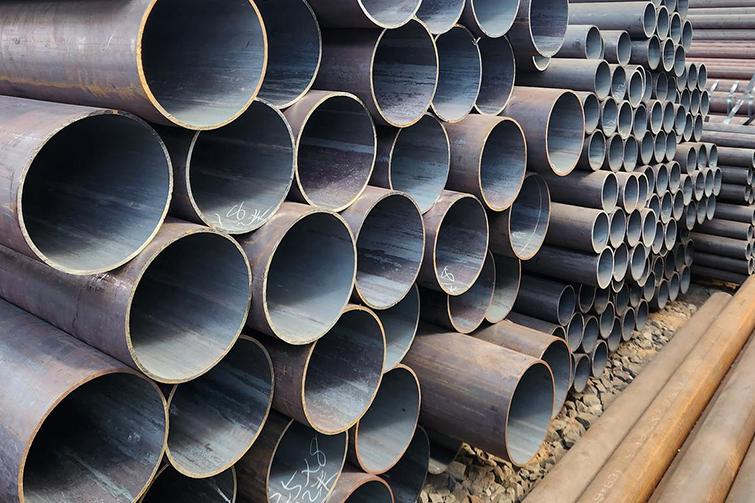
The box girder, also known as a box beam, is a structural element characterized by its hollow, rectangular cross-section, typically made of steel or concrete. This design provides exceptional torsional rigidity and load-bearing capacity, making it a preferred choice for long-span bridges, high-rise buildings, and other critical infrastructure. Its evolution dates back to the mid-20th century, with advancements in materials and computational methods driving its widespread adoption. Today, box girders are integral to projects that demand durability and efficiency, from highway overpasses to skyscrapers.
Design Principles and Structural Advantages
Designing a box girder involves careful consideration of factors such as material selection, cross-sectional geometry, and load distribution. The hollow shape minimizes weight while maximizing strength, allowing for longer spans without excessive deflection. Key advantages include high resistance to bending and torsion, which is crucial in windy or seismic regions. Engineers often use finite element analysis to optimize designs, ensuring safety and cost-effectiveness. For instance, in bridge construction, box girders can be prefabricated off-site, reducing construction time and environmental impact.
Applications in Modern Engineering
Box girders are ubiquitous in various engineering fields. In transportation, they form the backbone of iconic structures like the Millau Viaduct in France and the Akashi Kaikyō Bridge in Japan. In building construction, they support large floor areas in commercial complexes, enhancing architectural flexibility. Additionally, they are used in industrial settings, such as crane runways and heavy machinery supports, due to their ability to handle dynamic loads. Real-world examples demonstrate how box girders enable innovative designs, such as curved or tapered sections, to meet aesthetic and functional requirements.
Best Practices for Implementation
To ensure successful implementation, follow these best practices: conduct thorough site assessments, use high-quality materials like weathering steel for corrosion resistance, and adhere to international standards such as AISC or Eurocode. Regular maintenance, including inspections for cracks or corrosion, is essential to prolong lifespan. Collaboration between architects, engineers, and contractors is key to addressing challenges like thermal expansion or vibration. By integrating these practices, projects can achieve long-term reliability and sustainability.
Common Questions
What is the primary advantage of a box girder over other beam types?
The primary advantage is its superior torsional stiffness and high strength-to-weight ratio, which allows for longer spans and reduced material usage compared to I-beams or solid sections.
How does a box girder handle dynamic loads, such as wind or traffic?
Its closed cross-section provides excellent resistance to twisting and bending under dynamic forces, often enhanced with internal diaphragms or stiffeners to distribute stresses evenly.
What are common materials used in box girder construction?
Steel and concrete are most common, with composite materials (steel-concrete) gaining popularity for their combined benefits of strength and durability in varied environments.