




Galvanized Steel Pipe: The Essential Guide to China's Manufacturing Excellence and Global Applications
Understanding Galvanized Steel Pipes
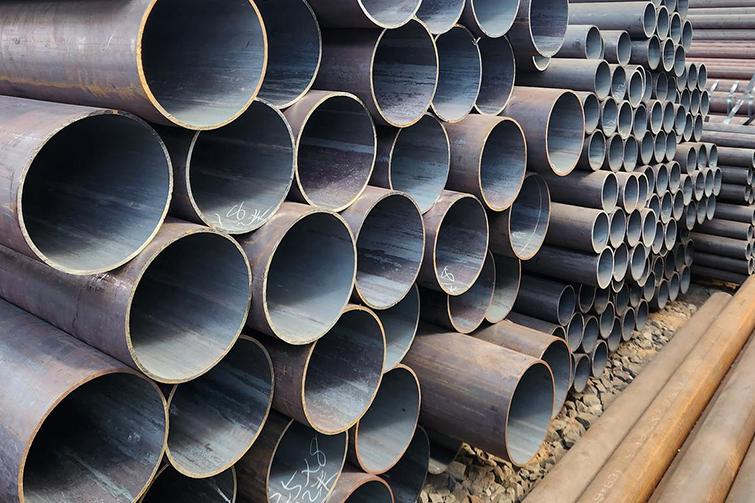
Galvanized steel pipes are steel tubes coated with a layer of zinc to prevent rust and corrosion, making them ideal for various industrial and construction uses. In China, the production of these pipes has grown significantly due to advanced manufacturing techniques and cost-effective labor. The term "galvanized steel pipe" is the standard English translation for the Chinese product, widely recognized in international trade. This process involves dipping steel into molten zinc, creating a protective barrier that extends the pipe's lifespan, often by decades. China's expertise in this field stems from decades of experience, with factories adhering to strict quality standards like ISO 9001 to ensure reliability. For global buyers, understanding this translation is crucial for sourcing, as it helps in communicating specifications and avoiding misunderstandings in procurement. Additionally, China's competitive pricing and large-scale production capacity make it a top choice for projects worldwide, from residential plumbing to large-scale infrastructure.
Manufacturing Process and Quality Control
The manufacturing of galvanized steel pipes in China typically follows a hot-dip galvanizing method, which involves cleaning the steel surface, then immersing it in a bath of molten zinc at around 450°C. This creates a metallurgical bond that provides excellent corrosion protection. Chinese manufacturers often use high-quality raw materials, such as low-carbon steel, to enhance durability. Quality control is a key focus, with many factories implementing automated inspection systems to check for defects like uneven coating or cracks. For instance, thickness gauges ensure the zinc layer meets international standards, such as ASTM A53 or EN 10240. Buyers should look for certifications and test reports when sourcing from China, as this verifies compliance with safety and performance requirements. Common issues in production include surface imperfections or dimensional inaccuracies, but reputable suppliers address these through rigorous testing and continuous improvement processes. By partnering with certified manufacturers, you can reduce risks and ensure the pipes meet your project's specific needs, whether for water supply, gas transmission, or structural support.
Advantages and Applications in Global Markets
Galvanized steel pipes from China offer several advantages, including cost-effectiveness, long service life, and versatility. The zinc coating not only prevents rust but also adds strength, making these pipes suitable for harsh environments. In global markets, they are commonly used in construction for scaffolding, fencing, and plumbing systems, as well as in agriculture for irrigation and in automotive industries for exhaust systems. China's role as a major exporter means that buyers can access a wide range of sizes and specifications, from small-diameter pipes for residential use to large ones for industrial projects. For example, in the United States, Chinese galvanized pipes are often imported for infrastructure upgrades due to their affordability and reliability. However, it's important to consider factors like shipping logistics and tariffs when importing. By understanding the applications, you can better select the right type of pipe, such as seamless or welded variants, based on pressure requirements and environmental conditions. This knowledge helps in optimizing costs and ensuring project success across different sectors.
Practical Tips for International Buyers
When purchasing galvanized steel pipes from China, follow these practical tips to ensure a smooth transaction. First, clearly specify your requirements, including dimensions, coating thickness, and standards, using the English term "galvanized steel pipe" to avoid confusion. Request samples and certifications from suppliers to verify quality before placing bulk orders. It's also advisable to visit factories or use third-party inspection services to assess production capabilities. Negotiate pricing based on volume and delivery terms, but be wary of overly low quotes that may indicate subpar materials. Common challenges include language barriers and cultural differences, so working with experienced agents or using online platforms like Alibaba can facilitate communication. Additionally, plan for lead times and customs clearance to avoid delays. By building long-term relationships with reliable suppliers, you can secure consistent quality and better terms. Remember, investing time in due diligence upfront can save costs and prevent issues down the line, making your procurement process more efficient and effective.
Common Questions
What is the standard English translation for Chinese galvanized pipes?
The standard term is "galvanized steel pipe," which is widely used in international trade to refer to zinc-coated steel tubes produced in China.
How do I ensure the quality of galvanized pipes from China?
Check for certifications like ISO 9001, request test reports for coating thickness and material composition, and consider third-party inspections or factory visits to verify manufacturing standards.
What are the main applications of these pipes?
They are used in construction for plumbing and structural support, in agriculture for irrigation, and in industries like automotive and oil & gas for corrosion-resistant piping systems.
Are there any common issues when importing from China?
Common issues include language barriers, shipping delays, and quality inconsistencies; mitigate these by working with reputable suppliers, using clear specifications, and planning logistics in advance.