




Galvanized Special-Shaped Parts: Enhancing Durability and Versatility in Modern Construction
Introduction to Galvanized Special-Shaped Parts
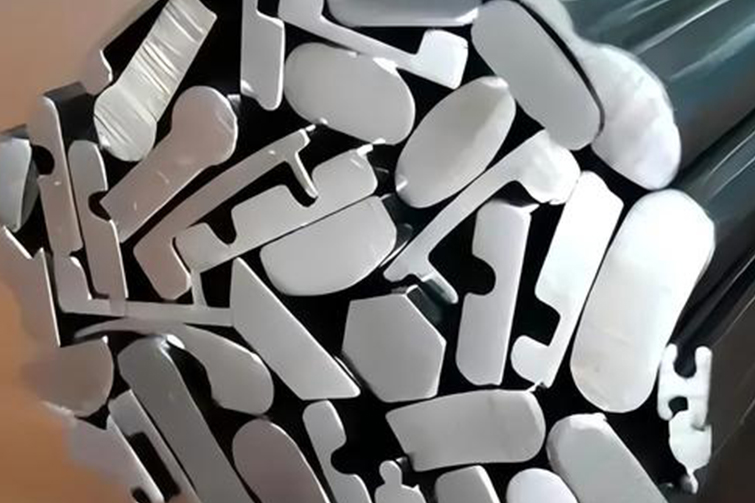
Galvanized special-shaped parts refer to custom-made metal components that undergo a galvanization process, typically involving coating with zinc to protect against rust and corrosion. These parts are widely used in construction, automotive, and manufacturing sectors due to their durability and adaptability to specific design requirements. The process ensures a long lifespan, even in harsh environments, making them a cost-effective choice for many projects.
Applications in Modern Industries
In the construction industry, galvanized special-shaped parts are commonly employed for structural supports, brackets, and connectors in buildings and bridges. Their ability to withstand weather conditions and heavy loads makes them ideal for outdoor applications. For example, in agricultural settings, they are used for fencing and machinery components, where moisture and chemicals pose a threat to untreated metals. Additionally, the automotive sector utilizes these parts in chassis and body frames to enhance safety and longevity, reducing maintenance costs over time.
Benefits of Galvanization
The primary advantage of galvanized special-shaped parts is their exceptional corrosion resistance, which extends the service life of metal structures by decades. The zinc coating acts as a sacrificial layer, preventing rust from forming on the underlying steel or iron. This not only improves durability but also reduces the need for frequent replacements, saving resources and minimizing environmental impact. Moreover, galvanized parts often require less maintenance compared to painted or untreated alternatives, leading to lower long-term expenses.
Design and Manufacturing Considerations
When designing galvanized special-shaped parts, it is crucial to consider factors such as material thickness, shape complexity, and intended use. Custom shapes may require precise engineering to ensure proper zinc coverage during the galvanization process. Common methods include hot-dip galvanizing, where parts are immersed in molten zinc, and electroplating, which offers a thinner coating for more delicate components. Working with experienced manufacturers can help optimize designs for maximum protection and performance, avoiding issues like coating cracks or uneven application.
Common Questions
What is the typical lifespan of galvanized special-shaped parts?
Galvanized parts can last 50 years or more in moderate environments, depending on factors like exposure to moisture and chemicals. Regular inspections can help monitor their condition.
Are galvanized special-shaped parts environmentally friendly?
Yes, galvanization is considered eco-friendly because it reduces waste by extending product life and uses recyclable materials. The zinc coating is non-toxic and can be reused in many applications.
How do I choose between hot-dip and electroplating for galvanization?
Hot-dip galvanizing is better for thick, heavy-duty parts exposed to harsh conditions, while electroplating suits thinner, precision components where a smoother finish is desired.