



Galvanized Workpieces: A Comprehensive Guide to Translation and Industrial Applications
Understanding Galvanized Workpieces
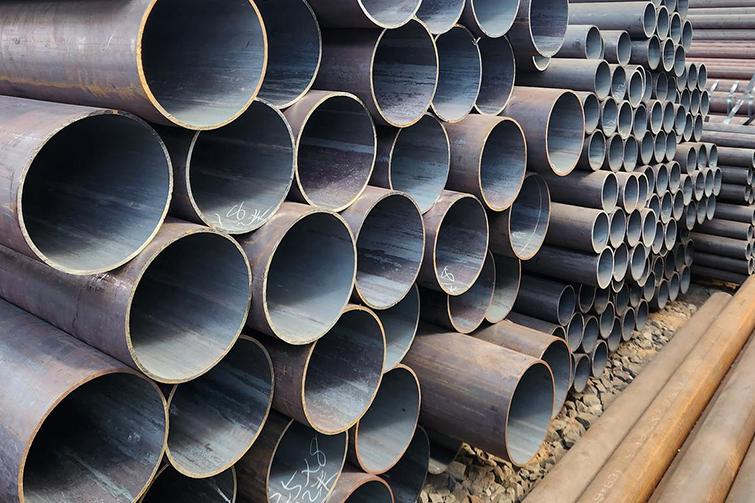
In industrial and manufacturing sectors, galvanized workpieces refer to metal components that have undergone a galvanization process to enhance durability and corrosion resistance. This involves coating the workpiece, typically made of steel or iron, with a layer of zinc through methods like hot-dip galvanizing or electroplating. The term "galvanized workpiece" is the standard English translation, widely used in technical documentation, engineering specifications, and international trade. It accurately conveys the material's protective treatment, ensuring clarity in communication across diverse fields such as construction, automotive, and infrastructure.
Importance of Accurate Translation
Accurately translating "镀锌工件" to galvanized workpiece is crucial for avoiding misunderstandings in global projects. In my experience, using precise terminology helps prevent errors in procurement, assembly, and safety compliance. For instance, in construction contracts, specifying "galvanized steel beams" ensures that all parties understand the material's corrosion-resistant properties, reducing the risk of structural failures. Similarly, in export documentation, correct translation facilitates smooth customs clearance and adherence to international standards like ISO or ASTM.
Common Applications and Best Practices
Galvanized workpieces are prevalent in applications where longevity and environmental resistance are key. Examples include fencing, pipelines, automotive parts, and electrical enclosures. To ensure effective usage, it's recommended to pair the term with additional descriptors, such as "hot-dip galvanized workpiece" or "electro-galvanized sheet," depending on the specific process. In technical writing, always verify the context—for example, in a manufacturing manual, detail the galvanization method and thickness to guide proper handling and maintenance.
Challenges and Solutions in Translation
One common challenge is distinguishing between similar terms like "galvanized" and "zinc-coated," which might be used interchangeably in some regions but have nuanced differences. "Galvanized" typically implies a thicker, more durable zinc layer, often applied through hot-dipping, while "zinc-coated" can refer to lighter coatings. To address this, consult industry glossaries or standards, and when in doubt, provide explanatory notes in documents. Another issue is regional variations; for instance, in British English, "galvanised" is spelled with an 's', but "galvanized" with a 'z' is more common in American English, so adapt based on the target audience.
FAQs
What is the exact English translation for "镀锌工件"?
The precise translation is "galvanized workpiece," which denotes a metal part coated with zinc for protection against corrosion.
How does galvanization improve workpiece performance?
Galvanization forms a barrier that prevents rust and extends the lifespan of workpieces, especially in harsh environments like outdoor or marine settings.
Are there different types of galvanized workpieces?
Yes, common types include hot-dip galvanized, electro-galvanized, and galvannealed workpieces, each with unique properties suited to specific applications.
Why is accurate translation important in industrial contexts?
Accurate translation ensures safety, compliance with standards, and efficient communication in international projects, reducing errors and costs.
Can "galvanized workpiece" be used in all English-speaking regions?
Generally yes, but be mindful of spelling variations (e.g., "galvanised" in the UK) and always clarify technical details to avoid confusion.