




Steel Pipe Columns: The Backbone of Modern Construction
Introduction to Steel Pipe Columns
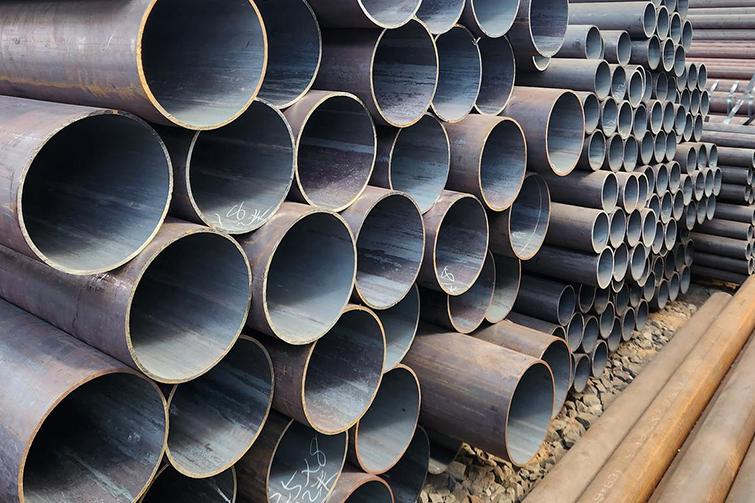
In the realm of construction and structural engineering, steel pipe columns play a pivotal role as load-bearing members that support vertical loads in buildings, bridges, and other infrastructures. The term "steel pipe columns" is commonly translated into English as such, but it can also be referred to as steel tubular columns or simply steel columns when the context is clear. These components are typically made from high-strength steel, formed into hollow cylindrical shapes, which provide excellent strength-to-weight ratios and durability. Understanding their proper translation and usage is crucial for international projects and technical documentation, ensuring clear communication among engineers, architects, and contractors worldwide.
Key Applications in Construction
Steel pipe columns are widely used in various construction scenarios due to their versatility and efficiency. In high-rise buildings, they serve as primary structural supports, allowing for open floor plans and flexible interior designs. For example, in skyscrapers, these columns can be arranged in grids to distribute loads evenly, enhancing stability against wind and seismic forces. In industrial settings, such as warehouses and factories, steel pipe columns provide robust frameworks for heavy machinery and storage systems. Additionally, they are integral to bridge construction, where their hollow design reduces weight while maintaining strength, facilitating longer spans and cost-effective solutions. By incorporating steel pipe columns, projects can achieve faster construction times and reduced material waste compared to traditional concrete columns.
Advantages of Using Steel Pipe Columns
The adoption of steel pipe columns offers numerous benefits that contribute to their popularity in modern engineering. Firstly, their high strength and durability make them resistant to corrosion, fire, and environmental stresses when properly coated or treated. This longevity translates to lower maintenance costs over the lifespan of a structure. Secondly, the hollow nature of these columns allows for easier installation of utilities, such as electrical wiring and plumbing, within the columns themselves, saving space and improving aesthetics. Moreover, steel is a recyclable material, aligning with sustainable construction practices and reducing environmental impact. From a design perspective, steel pipe columns enable architects to create sleek, minimalist structures with exposed elements that add an industrial charm. In terms of cost, while initial material expenses might be higher than some alternatives, the overall savings in labor and construction time often make them a cost-effective choice.
Practical Considerations for Implementation
To maximize the effectiveness of steel pipe columns in construction projects, several practical factors must be addressed. Proper design and engineering calculations are essential to determine the appropriate size, thickness, and grade of steel based on load requirements and local building codes. For instance, in earthquake-prone areas, columns may need additional reinforcement or specialized connections to enhance seismic performance. Installation techniques also play a critical role; prefabrication of columns off-site can speed up construction, but on-site welding and bolting require skilled labor to ensure structural integrity. Regular inspections and maintenance, including checks for corrosion or damage, help prolong the life of these columns. Additionally, considering the translation aspect, using consistent terminology like "steel pipe columns" in English documentation avoids confusion and facilitates collaboration in global projects. By adhering to best practices, builders can leverage the full potential of these structural elements.
Common Questions
What is the correct English translation for "钢管立柱"?
The most accurate translation is "steel pipe columns," but "steel tubular columns" is also acceptable in technical contexts. It's important to use consistent terminology in international projects to prevent misunderstandings.
How do steel pipe columns compare to concrete columns in terms of cost?
While steel pipe columns may have higher initial material costs, they often lead to overall savings due to faster installation, reduced labor, and lower maintenance. Concrete columns might be cheaper upfront but can incur higher long-term expenses from slower construction and potential repairs.
Can steel pipe columns be used in residential construction?
Yes, steel pipe columns are suitable for residential projects, especially in modern or industrial-style homes. They provide structural support while allowing for open layouts and can be aesthetically integrated into designs with exposed finishes.
What maintenance is required for steel pipe columns?
Regular inspections for corrosion, especially in humid or coastal environments, are crucial. Applying protective coatings and addressing any damage promptly can extend their lifespan and ensure safety.